April 16, 2026 · 5 min read
The Silent Crisis: Navigating Water Scarcity and Sanitation in Rural Kenya
In the heart of Kenya’s rural landscape, a daily struggle for the most basic human necessity—clean water—defines the lives of millions. As of early 2026, the situation has reached a critical juncture. According to the 2026 UN World Water Development Report, a staggering 80% of rural households in Kenya still lack direct access to water.
The Long Walk for a Single Drop
For many villagers, the day begins before dawn. In counties like Turkana and Mandera, women and children often trek up to 20 kilometres to reach a viable water source. These journeys are not only physically exhausting but also dangerous, exposing them to heat exhaustion and potential conflict over dwindling resources.
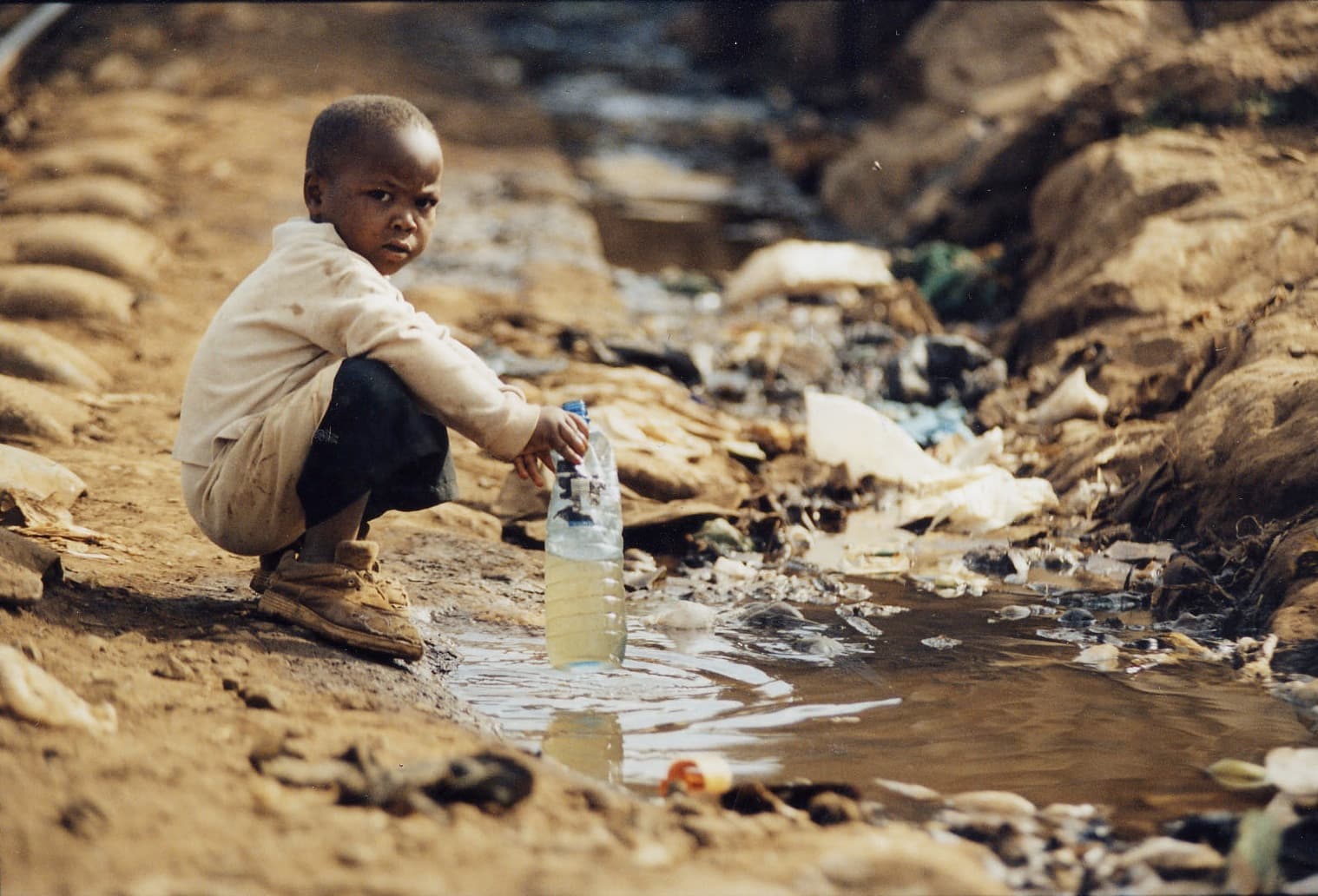
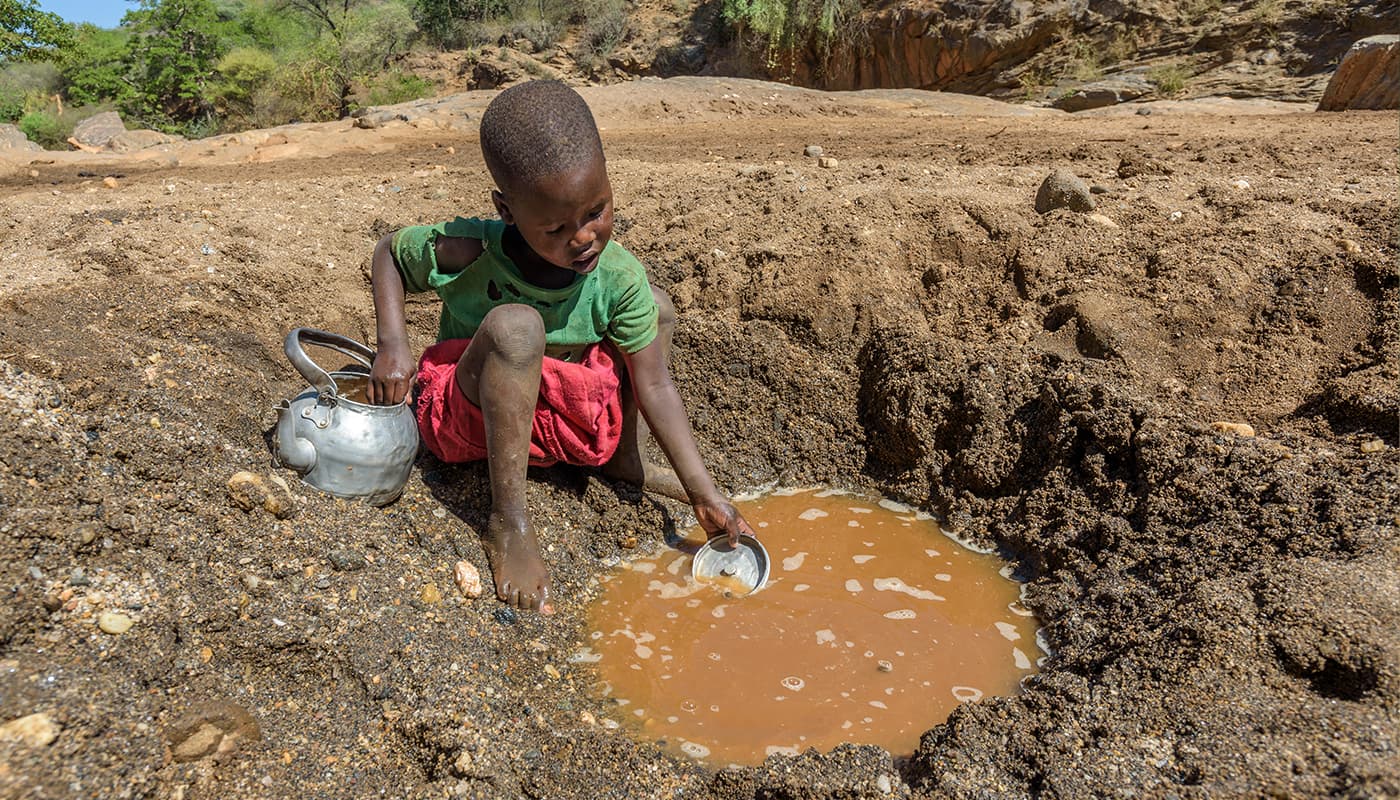
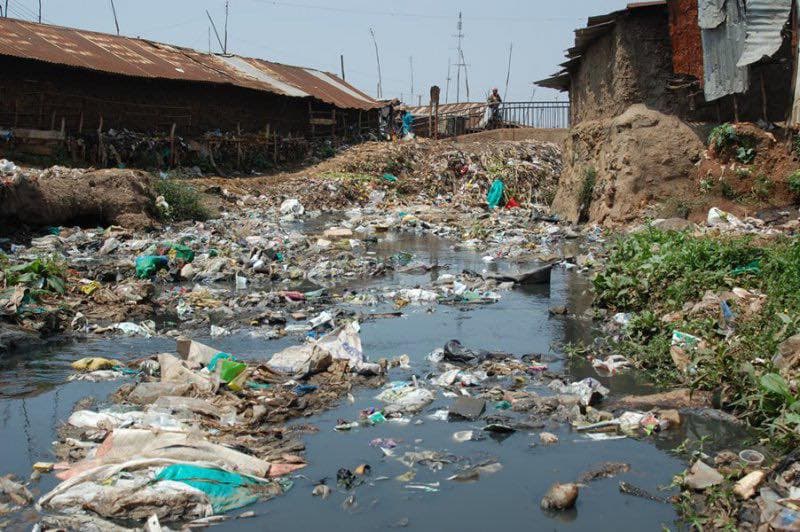
When they finally reach a source, it is often a "scoop hole" in a dry riverbed or a polluted stream shared with livestock. This lack of protected water sources is a primary driver of waterborne diseases like cholera and typhoid.
The Sanitation Gap: More Than Just Toilets
Sanitation remains the "poor cousin" of water access. While national sanitation coverage is reported at 70%, the reality in villages is often much lower.
Open Defecation: In parts of Western Kenya, such as Vihiga County, open defecation rates remain high due to a lack of proper latrines.
School Impact: Many rural schools struggle with inadequate facilities. When girls reach puberty, the lack of private, clean toilets and water for menstrual hygiene often leads to high absenteeism.
Climate Change: A Catalyst for Scarcity
The crisis is being intensified by a relentless cycle of droughts. By February 2026, over 2.2 million people in Kenya’s Arid and Semi-Arid Lands (ASAL) were facing acute food and water insecurity after consecutive failed rainy seasons. In Garissa County alone, over 60 boreholes dried up within a six-month period as groundwater tables dropped faster than they could be replenished.
To understand the water crisis in Kenyan villages, we have to look past the empty taps and examine the "ripple effect" it has on every part of rural life. It isn’t just a lack of water; it’s a systematic barrier to health, education, and economic survival.
1. The Human & Health Impact: The Cycle of Disease
When clean water is unavailable, villagers are forced to use "unimproved" sources—rivers, ponds, and hand-dug scoop holes in dry riverbeds.
Waterborne Pandemics: Use of contaminated water leads to recurring outbreaks of Cholera, Typhoid, and Dysentery. In many villages, a single contaminated upstream source can sicken an entire community within days.
Physical Toll: Women and children carry "jerricans" weighing 20kg (44lbs) on their heads or backs for miles. This leads to chronic skeletal deformities, neck injuries, and pelvic complications that can affect childbirth later in life.
Stunting and Nutrition: Contaminated water causes chronic diarrhea in infants, which prevents nutrient absorption. This leads to stunted growth and developmental delays, permanently affecting a child’s potential before they even start school.
2. The Educational Impact: Why "Water Time" is "Lost Schooling"
The burden of water collection falls almost exclusively on the youth.
The "Morning Tax": Children often spend 2–4 hours fetching water before school starts. They arrive exhausted, late, or often don’t show up at all.
Menstrual Hygiene Management (MHM): For teenage girls, the lack of private latrines and water at school is a primary reason for dropping out. Many girls stay home for one week every month, eventually falling so far behind that they quit school entirely.
3. Deep-Rooted Challenges: Why Is This So Hard to Fix?
If the solution is "just dig a well," why hasn't it been solved? The challenges are structural and environmental:
The "Dry Hole" Risk: In many arid regions (like Marsabit or Wajir), you can drill 300 meters down and still find nothing. The cost of a failed borehole can be upwards of $20,000—money a village or small NGO cannot afford to lose.
Maintenance "Death Spirals": Statistics show that 30% to 40% of rural water points in Kenya are broken at any given time. When a pump breaks, villages often lack the technical skills to fix it or a "sinking fund" to buy spare parts, leading to the equipment sitting idle for years.
Salinity: Even when water is found, it is often too salty for human consumption or irrigation due to underground mineral deposits. Desalination technology is currently too expensive for most rural village budgets.
Climate Volatility: Traditional "rain-fed" solutions like pans and dams are failing because the rainy seasons have become shorter and more violent. Instead of a steady soak, villages get "flash floods" that wash away infrastructure and then months of extreme heat that evaporates what’s left.
4. The Economic Impact: Poverty Traps
Livestock Loss: In pastoralist communities, water scarcity is a death sentence for cattle—the primary form of "savings" for these families. When the water pans dry up, wealth vanishes.
Opportunity Cost: Every hour spent walking for water is an hour not spent on a business, a farm, or a job. Scarcity keeps rural Kenyans in a state of "survival mode," where long-term planning is impossible.
Turning the Tide: Hope and Solutions
Despite these challenges, innovative solutions and significant funding are beginning to bridge the gap:
Sand Dams: In Kajiado, the "Sand Dam Revolution" is helping communities capture and store water naturally in seasonal riverbeds, providing a year-round supply for domestic use and livestock.
Government & International Aid: In early 2026, the Kenya Water, Sanitation and Hygiene (K-WASH) Programme received an additional $144 million in funding to strengthen climate-resilient water services across 19 counties.
Solar-Powered Boreholes: Many regions are transitioning to solar-powered systems to reduce the cost of pumping water from deep underground aquifers.
Looking Ahead
While infrastructure projects like the Water and Sanitation Development Project (WSDP) are making strides, the goal of universal access by 2030 remains a steep climb. It requires not just pipes and pumps, but a fundamental shift in how water is managed at the community level.
Gallery